Resalat Jawad, MA
A Glimpse into Sonargaon’s Rich History
Sonargaon, a historic town located in Narayanganj District of Bangladesh, has long been recognized for its significant role in the cultural and political landscape of the region. Established as the capital of the ancient kingdom of Bengal during the medieval period, Sonargaon served as a crucial hub for trade, commerce, and cultural exchange. This dynamic town’s origins can be traced back to the 13th century, when it became an important center of power under the reign of the Muslim rulers.
The establishment of extensive trade routes marked a pivotal moment in Sonargaon’s history. As merchants flocked to the area, it rapidly transformed into a bustling commercial center, connecting various regions not only within Bengal but also with neighboring territories. The economic prosperity enjoyed by Sonargaon is evidenced by its thriving textiles and handicrafts, which drew attention from merchants across the globe. Notably, the town was renowned for its exquisite muslin, a fabric that captivated the elite, both locally and internationally.
Throughout its history, Sonargaon has been home to numerous influential figures who left an indelible mark on its development. One such notable personality is the revered ruler Isa Khan, who, during the 16th century, played a significant role in resisting foreign invaders and strengthening the local governance. His legacy is still celebrated as a testament to Sonargaon’s resilience in the face of adversities.
As centuries passed, the socio-political dynamics of the region changed, and Sonargaon witnessed the rise and fall of various empires, each leaving its unique imprint on the town. Today, the remnants of its glorious past, including architectural marvels and cultural practices, continue to define Sonargaon as a vibrant hub of history, reflecting the complexities of Bengal’s rich tapestry.
Architectural Wonders of Sonargaon
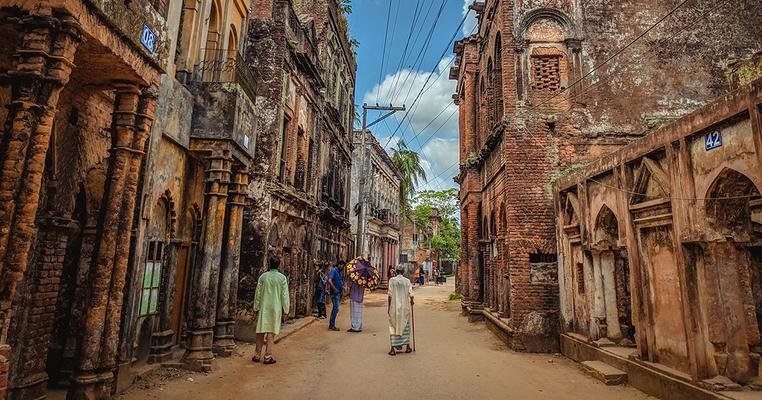
Sonargaon, once the capital of eastern Bengal, features a stunning array of architectural marvels that reflect its rich history and cultural tapestry. One of the most notable landmarks is Panam City, an area that presents a vivid depiction of the wealth and opulence that characterized the region during the late medieval and early modern periods. The structures in Panam City showcase intricate designs, with elements of both Mughal architecture and local styles intricately interwoven. The use of brick and terracotta, complemented by finely carved wooden structures, reveals the artisanal mastery of the builders at the time.
Alongside Panam City, the ancient city ruins in Sonargaon speak volumes about its glorious past. These ruins, while remnants of bygone eras, have been well-preserved, allowing visitors to glimpse the innovative engineering and construction techniques employed by artisans of the past. The layout of the ancient city demonstrates a sophisticated understanding of urban planning, which remains evident even today. Additionally, the ruins of monasteries and temples evoke the spiritual legacy that has flourished in this region for centuries.
The historical mosques and temples scattered throughout Sonargaon further amplify its architectural significance. Structures such as the Goaldi Mosque exemplify exquisite Mughal architecture, with its stunning domes and detailed calligraphy. In contrast, various temples in the region highlight local religious practices, featuring elaborate carvings and unique designs that serve as testaments to the diverse belief systems that coexist in Sonargaon’s narrative.
In essence, the architectural wonders of Sonargaon not only exemplify the blending of Mughal and local influences but also stand as enduring symbols of Bengali heritage and identity. These structures invite visitors to appreciate the historical significance and artistic achievements that have shaped this remarkable region over the centuries.
The Vibrant Culture and Traditions of Sonargaon
Sonargaon, a historical town nestled in Narayanganj, is celebrated for its rich cultural fabric and vibrant traditions. The legacy of this region is profoundly linked to its artisanal crafts, folklore, and dynamic festivities that reflect the essence of its inhabitants. One of the hallmarks of this culture is traditional weaving, particularly the creation of muslin, a fine fabric that has garnered admiration for centuries. Local artisans employ techniques passed down through generations, ensuring the continuation of this intricate craft.
In addition to weaving, pottery plays a significant role in the cultural landscape of Sonargaon. Skilled potters create both functional and decorative items using age-old methods, showcasing the region’s craftsmanship. This art form not only serves local needs but also contributes to the tourism sector, as visitors are eager to purchase authentic, hand-made products that encapsulate the spirit of the area.
Folklore and traditional music add another layer to the vibrant culture of Sonargaon. Local tales often celebrate historical events and legendary figures, being conveyed through oral traditions. These narratives are accompanied by music and dance, which are integral to community gatherings and festivals. Events like Nabanna, which celebrates the harvest, exhibit how music, dance, and culinary traditions interweave, reinforcing community bonds and cultural identity.
The local community actively engages in the preservation of these traditions, recognizing their importance in shaping identity and history. Workshops, festivals, and cultural fairs serve as platforms for both showcasing and perpetuating these art forms, attracting tourism and fostering a deeper appreciation for Sonargaon’s rich heritage. Thus, the vibrant culture and traditions of Sonargaon not only enhance the local community but also position the town as a significant cultural hub in Bangladesh.
Modern Sonargaon: Challenges and Opportunities
In recent years, Sonargaon, located in Narayanganj district, has witnessed notable transformations as it grapples with the dual forces of modernization and the imperative to maintain its rich historical and cultural heritage. As urbanization accelerates, the local community faces challenges stemming from rapid industrialization, which often pressures the environment and traditional ways of life. The growth of industries and urban developments brings about increased job opportunities; however, it also leads to the gradual decline of artisanal practices that have been integral to Sonargaon’s cultural identity.
Urbanization has introduced a plethora of changes, including the influx of people into the area, leading to a strain on local resources and infrastructure. This rapid demographic shift presents a challenge in preserving the essence of Sonargaon, as local customs and traditions can easily be overshadowed by modern influences. Generational gaps widen, with younger inhabitants gravitating towards the job opportunities provided by the burgeoning industrial sector, often at the expense of traditional vocational pathways.
Nonetheless, these challenges have opened avenues for opportunities that can foster sustainable development. Community-led initiatives aimed at promoting sustainable tourism represent a viable path that can enrich local economies while ensuring the preservation of Sonargaon’s cultural integrity. By promoting cultural heritage tourism and engaging visitors in the community’s history, artisanship, and local cuisine, the economic benefits can directly support traditional practices and education.
Furthermore, collaborations between local artisans, businesses, and governmental bodies could provide a framework for sustainable community development, balancing growth with the protection of Sonargaon’s unique identity. This integrated approach can empower local residents to advocate for their heritage while adapting to modern pressures. By capitalizing on both cultural assets and emerging opportunities, Sonargaon can envision a future where modernization and heritage preservation coexist symbiotically.